
A Beginner’s Guide to Shooting Black and White Film Photography
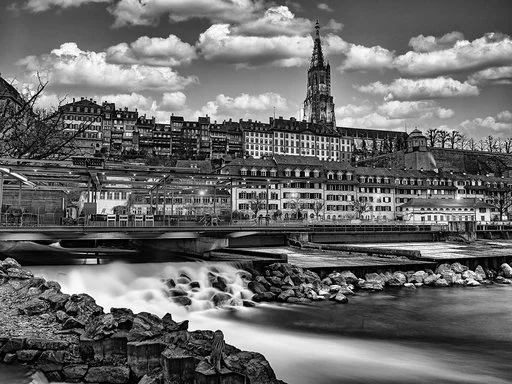
There’s something timeless about black and white film photography. Long before digital cameras and sophisticated editing software, photographers relied on light, contrast, and composition to create powerful images. Today, many photographers are rediscovering the appeal of black and white photography, not because it’s easier, but because it encourages a more thoughtful approach to making photographs.
If you’re new to film photography and curious about shooting black and white film, this guide will help you get started. From choosing your first film stock to understanding how light affects your images, here’s what every beginner should know.
Why Choose Black and White Film?
Many photographers begin with color film because it feels familiar. However, black and white film photography offers a completely different experience. Without color competing for attention, viewers focus on shape, texture, tones, and emotion.
Black and white images often have a timeless quality that works particularly well for portraits, street photography, architecture, and fine art projects. Learning to see a scene in black and white can also strengthen your understanding of composition and lighting.
For many film photographers, their photography journey into monochrome starts with a single roll of B&W film and quickly becomes a lifelong passion.
Choosing Your First Black and White Film Stock
One of the best things about black and white film photography is the variety of film stocks available. Each has its own unique characteristics, grain, and tonal response.
Ilford HP5 Plus
Ilford HP5 is often considered the perfect beginner's B&W film. It offers a wide exposure latitude, making it forgiving when exposure isn't perfect. Whether you're dealing with challenging lighting conditions or accidentally introducing slight underexposure, HP5 often delivers usable negatives.
The film produces attractive grain, good contrast, and excellent shadow detail, making it an excellent choice for photographers learning how light interacts with film.
Kodak Tri-X 400
Tri-X is one of the most iconic black and white film stocks ever produced. Known for its distinctive grain structure and classic look, it has been a favorite black-and-white film among generations of photographers.
Tri-X creates beautiful contrast, rich tones, and deep blacks that work especially well for documentary and street photography.
Kodak T-Max
Kodak T-Max offers a different aesthetic than Tri-X. It features a finer grain structure and exceptional detail. T Max is popular among photographers seeking smooth tonal transitions and a broad tonal range.
Both Kodak T-Max 400 and T-Max 100 are excellent choices for landscape photography and situations where fine-grain is important.
Ilford Delta
Ilford Delta films are known for their modern emulsion design, producing fine grain and excellent sharpness. They provide a clean, contemporary look while still maintaining the classic character people associate with black-and-white film.
Selecting a Film Camera
The good news is that you don't need an expensive camera to start shooting film.
Almost any manual or automatic film camera can produce beautiful black and white photos. Whether you're using a vintage SLR, rangefinder, or point-and-shoot, the fundamentals remain the same.
Focus on learning exposure and composition rather than chasing gear. A reliable camera and a few rolls of your chosen film stock are all you need for your first attempts.
Learning to See in Black and White

One of the biggest adjustments when you start shooting black and white photography is learning to ignore color.
Instead of asking yourself whether colors look appealing, pay attention to:
Contrast between light and dark areas
Shapes and patterns
Highlights and shadows
Tonal separation
A bright red object and a green object may appear very different in color photography, but they could render as similar shades of gray in black and white.
Many beginner photographers find it helpful to study black-and-white images from master photographers.
Understanding How Light Affects Your Images
Learning how light shapes a photograph is perhaps the most important skill in black and white photography.
Because color isn't present, light becomes the primary storytelling tool. The direction, intensity, and quality of light dramatically influence your results.
Soft Light
Soft light creates gentle transitions between highlights and shadows. It works beautifully for portraits and scenes where you want subtle nuances and smooth tones.
Overcast days often produce this type of lighting.
Harsh Light
Many beginners avoid harsh light, but it can be incredibly effective in black and white photography.
Strong sunlight creates high-contrast scenes with deep shadows, bright highlights, and dramatic visual impact. Some of the most memorable black and white images are made on sunny days when the contrast is strongest.
Looking for Contrast
A scene with good contrast often translates well into monochrome. Look for situations where bright areas meet dark areas, creating visual interest and depth.
The relationship between highlights, shadows, and midtones is what gives black and white photography its power.
Using Filters with Black and White Film
Colored filters can dramatically affect the appearance of black and white images.
Yellow Filter
A yellow filter is often recommended for beginners. It slightly darkens blue skies while maintaining a natural appearance.
Many photographers leave a yellow filter on their lens as a general-purpose option.
Red Filter
A red filter creates a much stronger effect. Blue skies become dramatically darker, clouds stand out, and overall contrast increases significantly.
When used carefully, a red filter can produce striking landscape photographs with inky blacks and bright highlights.
Exposure Tips for Beginners
One advantage of many black and white film stocks is their forgiving nature.
Films such as Ilford HP5 and Tri X can tolerate overexposure remarkably well while retaining detail. Under-exposure, however, can cause shadows to lose important information.
A common recommendation among film photographers is to meter for the shadows. This helps preserve detail in darker areas of the frame while allowing highlights to remain manageable.
As you gain experience, you may explore the Zone System, a method developed by Ansel Adams that helps photographers precisely control exposure and tonal placement.
Developing Film at Home
Many photographers are pleasantly surprised by how simple developing film can be.
Home-developing allows you to control the process while reducing costs over time. Basic equipment includes:
Developing tank
Film reels
Developer
Stop bath
Fixer
Thermometer
Some photographers even experiment with stand developing, a technique that can increase apparent sharpness and expand tonal range in certain lighting scenarios.
Developing your own film also helps you better understand how exposure choices affect the final negatives.
Scanning and Post Processing
Once your film has been developed, you'll need to scan or print your negatives.
Even photographers who love analog workflows often use digital tools for post-processing. Scanning allows you to make small adjustments to contrast, dust removal, and tonal balance while preserving the character of the original film.
The goal isn't to make your black-and-white images look digital. Instead, it’s about bringing out the full range of tones captured on the film.
What Makes Black and White Film Special?
Every film stock has its own personality.
Some emphasize grain and contrast. Others prioritize smooth tones and fine detail. Some produce deep blacks and dramatic shadows, while others deliver a softer, more delicate look.
Part of the fun of film photography is discovering which films match your creative vision. You may find yourself testing HP5, Tri-X, T-Max, and other films before finding your favorite black-and-white option.
There’s no right or wrong choice. The best film is the one that inspires you to keep shooting.
Final Thoughts
Black and white film photography teaches you to slow down and pay attention. It encourages you to think carefully about light, composition, tones, and timing before pressing the shutter.
Your first roll may not be perfect, but every frame will teach you something valuable. Over time, you'll begin to recognize how different lighting conditions affect your photos, how various film stocks render a scene, and how to create images with greater impact.
Whether you're exploring fine art photography, street photography, portraits, or landscapes, black and white film offers endless creative possibilities. Load a roll into your camera, head out into the world, and start discovering what makes this medium so rewarding.
I'd love to hear from you: What's your favorite black and white film stock, or which one are you excited to try first? Let me know in the comments below.