
The Art of Black and White Photography Depth
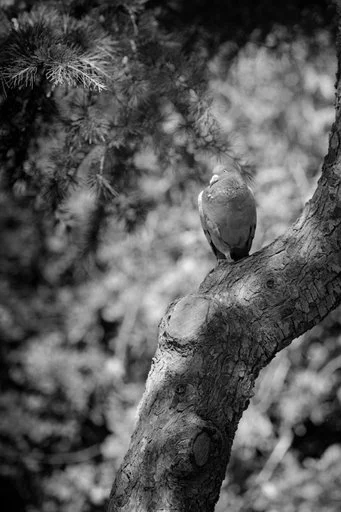
Black and white photography has always been about more than removing color. For me, it’s about learning how to add depth using aperture, focal length, and subject distance. When color disappears, photography depth becomes one of the most powerful tools we have to guide the viewer’s eye and create emotional impact.
Depth in photography is not just a technical concept. It’s a creative decision that affects how an image feels, how space is perceived, and how strong the connection is between subject and viewer. In this article, I want to walk you through how depth of field works, what affects it, and how you can control depth with confidence in your own black and white work.
What Photography Depth Really Means in Black and White
Photography depth refers to how much of an image appears in sharp focus, from the closest and the farthest objects in the frame. This zone of acceptable sharpness is called depth of field, and it plays a huge role in black and white photography because tonal contrast replaces color contrast.
A shallow depth isolates a subject, while a deep depth reveals context and structure. Neither is better by default. What matters is choosing the desired depth for the story you want to tell.
In black and white, even a single image with very simple elements can feel rich when depth is handled intentionally.
The Three Main Factors That Affect Depth
Depth of field is shaped by three main factors:
Lens aperture
Focal length
Subject distance
These work alongside shutter speed and ISO within the exposure triangle, and all need to be balanced to achieve correct exposure while maintaining good image quality.
Aperture: Your Primary Tool for Control
Your aperture setting has the most obvious impact on depth. A wide aperture creates a very shallow depth, while a smaller aperture gives you large or deep depth.
A wide aperture (like f/1.8) results in a shallower depth, drawing attention to a single focus point
A narrow aperture (like f/11 or f/16) creates greater depth, keeping more of the scene in focus
Even at the same aperture, depth can change depending on other factors, which is why aperture alone doesn’t tell the whole story.
When I’m working in aperture priority, I choose the aperture first to control depth, then let the camera handle shutter speed while I fine-tune exposure settings if needed.
Focal Length and Lens Choice
The focal length of your lens strongly affects how depth appears in the actual image.
Short focal lengths (like a wide-angle lens) tend to produce large depth
Longer focal length lenses compress space and create a shallower depth
This is why telephoto lenses are popular in portrait photography. An increased focal length gives smoother background separation, even at the same aperture.
It’s important to note that effective focal length changes depending on camera sensor size and crop factor. A full-frame camera and a crop sensor camera set to the same focal length can produce different depth results, mainly due to differences in sensor size and how each camera sensor records the scene.
Subject Distance and Camera Position
Camera subject distance plays a huge role in depth. The closer you are to your subject, the shallower the depth becomes.
Small subject distance = less depth
Larger subject distance = more depth
This is especially noticeable in macro photography, where even tiny movements change the focus range dramatically. Maintaining a constant subject distance helps achieve predictable results, especially when creating images shot for a series or studies.
Your camera position also matters. Changing your angle or distance can help you control depth without touching your camera settings.
Focus, Sharpness, and the Focal Plane
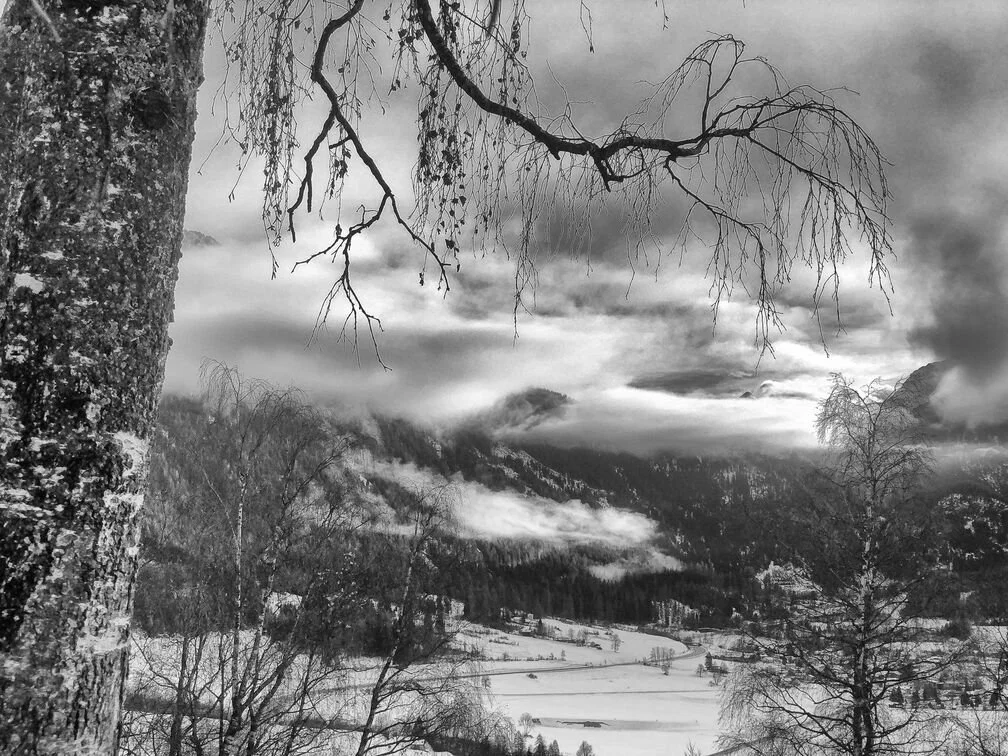
Depth is always measured around the focal plane, which extends in front of and behind your focus distance. The focal point is where you place your focus point, but sharpness falls off gradually.
Using manual focusing and the focusing ring gives you precise control, especially in low-light or high-contrast black and white scenes. The goal is not technical perfection, but acceptable sharpness where it matters most.
Often, the foreground matters just as much as what’s happening in the background. Adding a small, clear point of interest in the foreground can immediately create a stronger sense of depth and draw the viewer in.
Hyperfocal Distance for Maximum Depth
For landscape photography, I often rely on hyperfocal distance to achieve maximum depth from foreground to background.
When you set your focus at the hyperfocal distance, the area from roughly half that distance all the way to infinity stays in focus. Tools like a hyperfocal distance calculator make this easy, especially when working with distant objects.
This technique is popular among landscape photographers who want complete depth without relying on extremely small apertures that could reduce image sharpness due to diffraction.
Advanced Techniques: Focus Stacking
Sometimes, one exposure isn’t enough. Focus stacking allows you to combine multiple images taken at different focus distances into a single frame with large depth.
This is useful in:
Macro photography
Architectural scenes
High-detail landscapes
The key is keeping a constant image size, stable camera position, and consistent exposure settings. When done right, the result looks natural, not artificial.
Balancing Depth and Exposure
Depth control always affects exposure. A smaller aperture means less light, so you may need to adjust shutter speed or ISO. This balancing act is part of a strong camera technique.
Understanding how each choice affects depth helps you create sharper images while maintaining mood and contrast. Depth should support the image, not distract from it.
Portraits, Landscapes, and Intentional Depth
In portrait mode or portrait photography, I often use a longer focal length and wide aperture to separate the subject. In landscapes, I aim to maximize depth while keeping textures crisp.
There’s no universal rule. What matters is mastering depth so your creative decisions are deliberate, not accidental.
Even when working with the same depth across multiple frames, intention shows.
Final Thoughts on Mastering Depth
Depth is one of the most expressive tools in black and white photography. Whether you’re isolating a subject or revealing space, understanding how focal length lens choice, aperture, sensor size, and focus range interact will elevate your work.
If you want to learn more about black and white photography, explore more articles here on my blog.
Now I’d love to hear from you: When you shoot black and white, do you prefer shallow depth or deep depth, and why? Share your thoughts in the comments below.