
Timing in Photography: The Role of Patience in Street Photoshoots
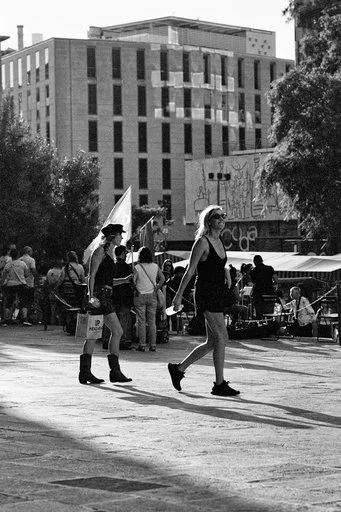
Timing in photography is one of the most important skills you can develop, especially in street photography. It shapes the stories you create, the emotions you capture, and the way a viewer feels when they look at your images. The streets are full of fleeting moments. With the right mindset and a patient approach, these moments can transform into photographs that stay with the viewer long after the subject is gone.
As a photographer who spends a lot of time observing everyday life, I have learned that good timing is never only about quick reflexes. It is about waiting, studying the light, returning to the same location, and understanding how a scene behaves throughout the day. Whether you photograph early in the morning, during golden hour, or in busy city traffic, patience makes all the difference.
This article explores how patience helps with photography timing, why the decisive moment by Henri Cartier-Bresson still matters, and how visiting the same place several times makes a surprising impact on your photos.
Why Timing in Photography Matters So Much
Photography is built on moments. A small gesture, a shadow moving across a wall, a person stepping into the perfect lighting. When these things align, you get an image that tells a story. Timing controls how these stories are captured.
In street photography, timing is important because you cannot plan most events. People walk by, light changes, and scenes shift within seconds. A good shot depends on anticipating what might happen and waiting long enough for the right moment to appear.
You might see an interesting background or subject, but if you rush the process, the photograph often feels empty. When you wait a bit longer and pay attention, the same scene can turn into a picture filled with emotion and meaning.
The Decisive Moment and the Influence of Henri Cartier-Bresson
When photographers talk about timing, we always return to Henri Cartier-Bresson. His idea of the decisive moment shaped modern photojournalism and continues to guide photographers today. He believed there is a precise instant when the subject, the composition, and the lighting align perfectly. If the photographer presses the shutter at that exact moment, the result is a photograph that feels complete.
The decisive moment is patience mixed with awareness. It is the ability to anticipate movement, to see the story forming before it happens, and to react at the right point. This approach works in every genre from street photography to sports photography, wildlife photography, portraits, and even wedding events.
Cartier-Bresson waited, observed, and trusted his instinct. His process shows us that timing in photography is not just a matter of speed. It is a matter of attention.
Why Returning to the Same Location Improves Your Timing
One of the best ways to train your sense of timing is to revisit the same place many times. It might feel repetitive at first, but it is one of the most powerful ways to understand light and behavior in a scene.
Here is why revisiting helps:
The sun rises at a slightly different angle each day
Shadows move differently in the morning, afternoon, and golden hour
Subjects behave differently depending on the time
You begin to notice details you missed before
You learn when the perfect lighting appears
Great photos are often captured because the photographer understood the location deeply. You cannot learn this in a single visit. When you return several times, you start recognizing patterns. You notice when people gather, how the light changes, and when the perfect moment is likely to appear.
This process builds patience. You learn not to rush a scene. You learn to stay long enough to catch something meaningful.
Timing Across Different Photography Genres
Timing plays an important part in many forms of photography. Here is how patience influences them.
Street Photography
Street photography relies on peak action, emotion, and the unplanned scenes of everyday life. You observe gestures, expressions, or interesting subjects, and you wait for something to happen that makes the image stand out. Timing separates a simple photo from one that captures a real moment.
Sports Photography
Timing determines whether you catch the athlete at peak action or miss it by half a second. Anticipation and quick reflexes are important, but patience is still part of the process. You study the movement, notice patterns, and prepare for the perfect moment.
Wildlife Photography
Animals move unpredictably. Waiting, watching, and noticing behavior help you anticipate the moment when the subject enters the right place or lighting.
Portraits and Weddings
Even in posed photography, timing affects the final image. A small laugh, a shift in expression, or a natural gesture often happens right after the posed moment. Patience lets you catch real emotions.
Across all genres, good timing results in stronger images and more meaningful photographs.
Light and Timing Work Together
Many photographers chase perfect lighting, but timing and light cannot be separated. Perfect lighting does not always match the perfect action. Sometimes you see a beautiful ray of sun, but nothing interesting is happening in that part of the scene. Other times, the subjects are there, but the light is flat.
Patience bridges this gap.
Here is what I often do in my own work:
I find a place with interesting light
I study how the light shifts
I wait for subjects to enter the frame
I adjust my position for better composition
I watch for expressions, gestures, and interactions
When the light, the subject, and the moment align, the photograph becomes much stronger than anything rushed or forced.
This approach makes photography fun because you get to enjoy the process instead of chasing every detail in a hurry.
Observing the Scene Before Taking the Photo
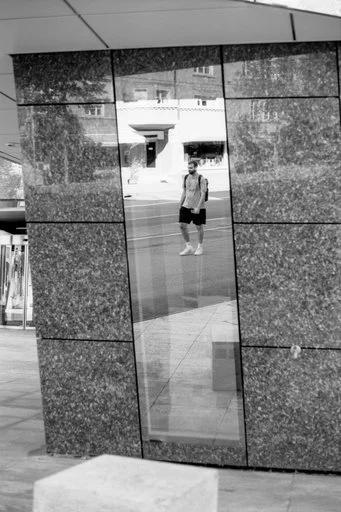
One of the simplest ways to improve timing is to observe first and photograph second. So take a second. Place your camera down. Look around. Notice how people behave and how the light falls across the scene.
When you slow down and pay attention, you start to see small moments forming. You notice a person about to walk through a highlight. You see a shadow moving toward a subject. You notice interactions happening in the background. All of these details make your photos stronger and help you capture meaningful moments.
Why Rushing Makes You Miss Important Moments
Many photographers rush through scenes because they feel they must take a photo immediately. This usually leads to pictures with weak composition, poor lighting, or subjects who are not in the right place.
Rushing creates these problems:
You miss subtle emotions
You miss small gestures
You miss the peak action
You miss the perfect moment
You miss the exact point where the light works
Slowing down gives your images more intention and higher quality.
Conclusion
Timing in photography is not an accident. It is a skill built through patience, observation, and a willingness to return to the same place many times. When you slow down and pay attention, you notice beauty in everyday life. You catch moments that most people walk past. You create photographs that feel real.
If you want to grow in street photography and develop a stronger sense of timing, I invite you to join my free photography newsletter. You will receive practical tips, black and white photography ideas, behind-the-scenes stories, and a free PDF guide to help you improve your craft.
Let’s keep learning together and create images that tell real stories, one moment at a time.
Which type of photography is your favorite? Answer in the comments below.