
12 Photography Narrative Ideas For Your Black and White Shots
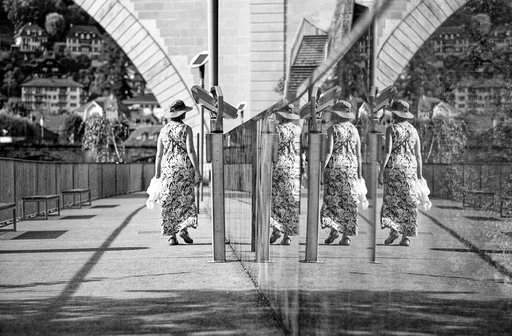
Black and white photography has a special power. It strips away distractions and lets the viewer focus on what truly matters: emotion, meaning, and story. Without color pulling attention in different directions, the smallest detail in a single photograph can suddenly feel like a thousand words.
If you’ve ever looked at your photos and thought, “They look good, but they don’t say anything,” then what you’re missing isn’t better gear or more editing tricks. It’s visual storytelling.
In this narrative photography guide, you’ll find practical photography narrative ideas to help you turn ordinary moments into storytelling photographs, whether you want to build a photo story, a longer photo essay, or even a personal long-term project.
Because in narrative photography, the goal isn’t just taking photos, it’s telling stories.
What narrative photography really means
Narrative photography is a form of storytelling photography where the viewer can feel that something is happening, or has happened. It creates a visual story that hints at context, character, and consequence.
Sometimes that story is told with a single image. Other times, the story needs multiple images to unfold. Either way, your audience should sense the whole story, even if they only see a small piece of it.
And it’s important to remember: not all images become narrative automatically. A technically perfect photo can still feel empty if it doesn’t convey intention.
So let’s explore ideas you can create, plan, and shoot, whether you’re documenting strangers in the street or photographing a family member at home.
12 photography narrative ideas for black and white
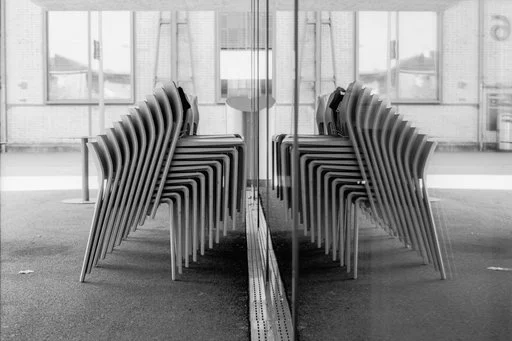
1. Show “before and after” using multiple images
One of the simplest ways to build strong storytelling pictures is contrast over time.
Examples:
a clean room, then the same room after a party
an empty workshop, then the workshop after a day’s work
a calm expression, then an emotional reaction minutes later
This approach is ideal for multiple images, and it works beautifully as a short photo story. The difference between the frames becomes the narrative.
Tip: During your planning process, decide what the “before” should communicate, and what the “after” reveals.
2. Photograph routines (life as a story)
Daily routines are a vital part of documentary photography, and they naturally create narrative.
Ideas:
morning coffee rituals
commuting
gym training
street vendors preparing their stand
A routine becomes a great photo essay because it has structure. It also helps train your storytelling skills, because it forces you to notice small changes and meaningful moments.
3. Capture the decisive moment
The decisive moment is when expression, gesture, timing, and composition align at once. It is where the photograph speaks.
Try capturing:
kids jumping over puddles
reactions during events
strangers interacting in public
This is where black and white action shots shine. You are not just freezing movement. You are capturing certain emotions at the exact moment they appear.
4. Use windows and reflections to suggest a second layer
Reflections are powerful in visual storytelling because they hint at two realities at once.
Storytelling ideas:
a face reflected in a train window (inner thoughts)
city life mirrored in glass
a subject behind a rainy window (distance, longing)
Use strong focal points, such as eyes, hands, or silhouettes, so your image has clarity and intention.
5. Tell character stories through portraits
A portrait can do more than show a face. It can hint at a person’s life.
To create strong storytelling images through portraits, focus on:
hands
clothing and texture
environment and background details
Think about iconic portraits like the Afghan Girl by Steve McCurry. It is not only a face, it is a story of place, tension, and history. Great portraits rarely need words to communicate meaning.
Ask yourself: what part of this person’s life can I include in the frame?
6. Use objects to tell stories (without faces)
You can create a narrative without showing people at all.
Ideas:
shoes by the door
a half-finished meal
a child’s toy in the corner
old letters on a table
These objects carry memory. They invite the viewer to imagine what happened before the shutter clicked.
7. Let hidden geometry guide the story
Black and white is perfect for hidden geometry. Lines, shape repetition, patterns, and structure become more visible without color.
Use compositional techniques like:
leading lines
framing
symmetry
negative space
Geometry controls perspective and helps you focus on what matters most in the scene.
8. Follow one subject for a day (documentary style)
This is a classic documentary photography exercise.
Choose a subject such as:
a family member
a baker
a street musician
a mechanic
a teacher
A documentary photographer doesn’t shoot randomly. They research, observe, and decide what the story is really about.
Try capturing:
a wide establishing scene
detailed close-ups
interactions
a closing image that feels like an ending
This approach makes it easier to build the whole story in a meaningful way.
9. Shape emotion with light and atmosphere
In black and white, lighting becomes the mood.
Use light to build atmosphere:
soft light for intimacy
harsh light for conflict
silhouettes for mystery
shadows for tension
Do not only shoot for contrast, shoot for emotion.
10. Use one location and collect many moments
Pick one location and return regularly.
For example:
a café
a stairwell
a street crossing
a bus stop
Over time, the place becomes the stage. Your images become chapters. This is a great long-term storytelling project, and it improves your ability to observe everyday life.
11. Create tension using what’s outside the frame
Narrative does not require showing everything.
Try scenes where:
a subject looks beyond the frame
an open door suggests someone just left
shadows hint at a presence you cannot see
This technique makes viewers participate, as they fill in the story themselves.
12. Edit like a storyteller, not just an editor
The narrative continues after the shoot.
Your process should include:
selecting images that support the story, not just the sharpest
sequencing photographs for rhythm and flow
building mood in post-processing
Even in black and white, it helps to understand color theory because tonal relationships are shaped by original color values. Two colors can look completely different in real life but become the same grey in monochrome, which can change your message.
Also review your camera settings. Narrative work often benefits from consistency:
shutter speed for motion
aperture for subject separation
ISO for grain and atmosphere
The important thing is that every choice supports the story you want to convey.
Conclusion: Narrative is a skill you can train
You do not need exotic locations or dramatic scenes to create meaningful narrative work. You simply need to approach photography with intention.
Whether you are building a photo essay, a long-term documentary project, or a single image that holds a full story inside it, the goal is always the same: to create storytelling photographs that connect with people.
So next time you head out with your camera, don't just think about composition. Think about meaning:
What is happening here?
What emotion can I capture?
What story does this image suggest?
Now I’d love to hear from you: What kind of stories do you enjoy photographing most, and do you prefer telling them through a single photograph or through multiple images? Share your thoughts in the comments below.