
Bringing Life to Your Black and White Images with Photography Texture
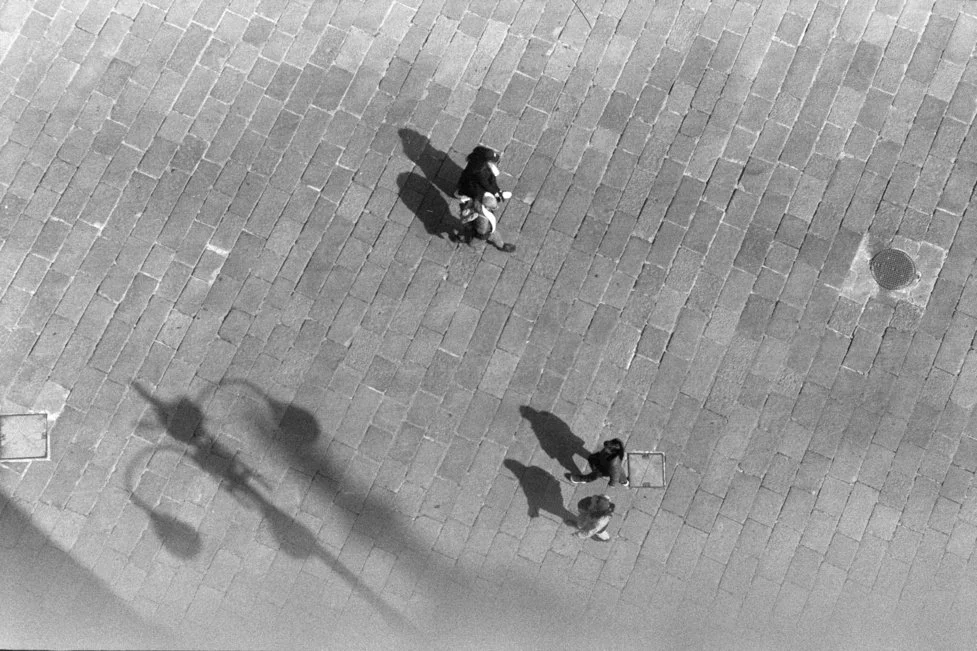
In black and white photography, texture is a powerful tool. When color is removed, the viewer’s eye relies on light, contrast, and surface detail to interpret a scene. Texture in photography becomes the bridge between what we see and what we feel. It shapes the perceived surface quality of a subject and turns a flat image into something that feels three-dimensional.
Photography texture is often treated as a supporting element, but I believe it deserves to be the main focus. When you emphasize texture deliberately, you create visual interest that carries the entire image.
Texture refers to the way surfaces appear to feel: rough texture on tree bark, the softness of flower petals, peeling paint on an abandoned building, or the worn grain of everyday objects. In black and white, these details become the language of the photograph.
Why Texture Matters More in Black and White
Without color, the structure of a scene becomes clearer. Lines, shape, shadows, and highlights define the subject. Textures add depth and give the viewer a tactile experience through sight alone. A photograph of tree bark in natural light can feel almost touchable. The same scene in color may distract with greens and browns, but monochrome strengthens the contrast and reveals fine details.
Texture photography thrives on contrast. Rough texture beside smooth objects, soft light grazing across cracked stone, or directional light cutting across a face all contribute to adding depth. Texture inspiration can be found in the natural world or in urban environments. The key lies in photographing texture with intention rather than by accident.
Learning to See Texture
The naked eye often overlooks subtle surface detail. A camera has the ability to capture textures in a way that enhances their presence. Start by slowing down and observing background elements as carefully as the subject itself. Peeling paint on a wall, weathered wood, or the concrete floor of an abandoned building can shift from backdrop to central feature.
To explore textures, change your physical position:
Shoot from a low position to exaggerate foreground detail.
Move in for close-up shots that isolate fine details.
A macro lens is ideal for macro photography, especially when working with natural elements such as tree bark or flower petals. Close-up photography reveals a structure that the viewer may never notice in the broader scene.
Texture refers not only to rough surfaces. Soft fabric, smooth stone, and mist in soft light all contain interesting textures. Highlighting textures requires attention to light coming from a specific direction. Side lighting and directional light create small shadows that define shape and enhance three-dimensionality.
The Role of Light

Photographing light determines whether the texture appears flat or vivid. The angle of the light source matters more than its intensity.
Side lighting produces shadows that emphasize texture and reveal surface irregularities.
Light coming from behind can outline edges and create separation.
Natural light often provides subtle variations that work beautifully in fine art photography.
Soft light produces gentle transitions and works well for delicate subjects like flower petals.
Strong directional light emphasizes texture on rough surfaces such as peeling paint or stone.
Shadows are essential. They add visual interest and give depth to an otherwise uniform surface.
When photographing texture outdoors, observe how the scene changes as the light shifts. Early morning and late afternoon provide directional light that skims across surfaces. Midday light may flatten details unless you position the subject carefully.
Choosing the Right Lens and Settings
The right lens influences how texture appears in the frame. A macro lens allows you to capture details at very close distances, making it perfect for close-up studies of natural elements. A wide-angle lens can exaggerate foreground textures and draw the viewer’s eye deep into the scene. Focal length changes the relationship between subject and background elements.
Camera settings also shape the final result. A narrow aperture or smaller aperture increases depth of field and keeps more of the textured surface in focus. This approach works well when the entire surface is the main focus. In contrast, a shallow depth combined with background blur isolates specific textural elements and directs attention precisely where you want it.
Shutter speed matters when photographing texture in motion. For example, wind moving across tall grass creates flowing patterns. A faster shutter speed freezes fine details, while a slower shutter speed introduces motion blur that can soften or abstract the texture.
Take time to fine-tune exposure and focus. Texture depends on clarity. Slight underexposure can deepen shadows and increase contrast. Slight overexposure may wash out fine details. Reviewing your image on location helps ensure that the perceived surface quality remains strong.
Composition Built Around Texture
Composition determines how texture interacts with the rest of the elements in a photograph. Instead of treating texture as background decoration, build the entire composition around it. Let the texture be the subject. Fill the frame with rough texture, cracked surfaces, or layered materials.
In scenes where texture supports another subject, use it to add visual interest without overpowering the main focus. A portrait against a textured wall gains depth through contrast. The wall becomes part of the story and enhances the overall sense of place.
Lines and patterns within textured surfaces guide the viewer’s eye. Repetition in bricks or ripples in sand creates rhythm. Contrast between light and shadows defines shape and strengthens the visual impact. The goal involves creating depth and three-dimensional presence within a two-dimensional image.
Texture in Nature and Urban Spaces
The natural world offers endless texture inspiration. Tree bark, rocks, sand, leaves, and water surfaces all provide opportunities to explore textures. Natural elements respond beautifully to directional light, especially during golden hour. Close-up photography of flower petals in soft light reveals subtle gradients and fine details that feel almost sculptural.
Urban scenes also present a strong texture in photography. Peeling paint, rusted metal, worn concrete, and aging wood in an abandoned building tell stories through surface detail. Photographing texture in these environments can produce powerful fine art images. The rough texture of a wall can communicate age and history without a single human figure in the frame.
Everyday objects provide another rich source of texture. Fabric, paper, glass, and kitchen surfaces can become compelling subjects when seen up close. The key lies in shifting your perspective and recognizing the textural elements already present in your environment.
Post Production and Final Refinement
Post-production allows you to enhance texture without exaggeration. Adjusting contrast strengthens shadows and highlights. Clarity and structure tools can emphasize texture, but subtlety keeps the image believable. Overprocessing reduces the tactile experience by making surfaces appear artificial.
In black and white editing, pay close attention to tonal separation. Distinct tones help textures add depth and maintain visual interest. Dodging and burning can guide the viewer’s eye across the scene and reinforce three-dimensionality.
Final Thoughts on Texture
Black and white photography reaches its strongest form when texture becomes the foundation of the image. Composition, light, and camera settings all support that single intention. Texture transforms an ordinary subject into a compelling photograph by shaping depth, contrast, and perceived surface quality.
When you explore textures with purpose, you move beyond documenting a scene and begin creating images that feel tangible. Texture becomes the structure of the photograph, the element that gives it weight and presence. In monochrome work especially, texture remains one of the most reliable ways to add visual interest, strengthen composition, and create a lasting sense of depth within every photo.
I am also curious to hear from you: what surface or subject has inspired you most when exploring texture in your photography? Share your thoughts in the comments below.