
How to Capture Character in Black and White Portraits
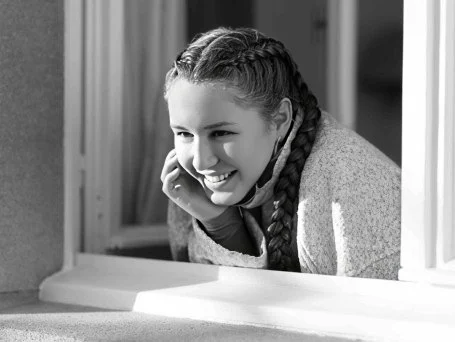
Black and white portraits have a unique ability to reveal the deeper personality of a subject. When color disappears, viewers begin to notice the details that truly matter: expression, light, texture, and emotion. This is why many photographers believe black and white photography can capture the soul of a person in a way that color sometimes cannot.
Learning how to capture character in black and white portraits is about your observation, patience, and understanding of how light and contrast shape the story within a photo. Over time, as photographers practice and gain experience, they begin to notice the subtle details that bring portraits to life.
Here are several techniques that can help you create powerful black and white portraits that reveal real character.
1. Focus on Expression and Emotion
The most compelling black and white portraits begin with genuine emotion. With color removed, attention naturally shifts to facial expressions, body language, and the emotion of the moment.
Before you take the photo, pause and spend a little time observing your subject. Notice how they move, how they smile, or how their eyes reflect emotion. A thoughtful pause can sometimes reveal more character than a perfectly posed portrait.
Many photographers agree that the most powerful portrait moments happen naturally. Instead of rushing to shoot, allow the person to relax. Talk with them and let the moment unfold.
2. Use Light to Shape the Face
Light plays an essential role in black and white photography. Because color is removed, light becomes one of the most important tools for revealing character.
Soft side lighting can highlight the contours of a face, while deeper shadows add depth and drama. This balance between light and shadow creates contrast that makes a portrait visually compelling.
Try positioning your subject near a window or allowing natural light to fall across one side of their face. This technique often creates striking white highlights and deep black shadows.
When you learn to control light effectively, you begin to see how much power it has in shaping a portrait.
3. Embrace Contrast and Shadows
One of the defining characteristics of black and white portraits is contrast. The interplay between bright whites and deep blacks can add drama and intensity to an image.
Shadows can emphasize wrinkles, facial structure, or thoughtful expressions. Instead of trying to eliminate shadows, learn how to use them creatively.
Strong contrast can transform a simple portrait into something far more powerful. It helps guide the viewer’s focus and highlights the most important elements of the image.
Many photographers enjoy experimenting with contrast because it allows them to shape the emotional tone of the portrait. High contrast can feel bold and dramatic, while softer contrast can create a calm and reflective mood.
4. Pay Attention to Texture and Details
Texture becomes incredibly important in black and white photography. When color is removed, viewers begin to notice small details such as skin texture, fabric, hair, and background elements.
These subtle details help add depth to portraits and contribute to the overall character of the subject.
Look closely at how light interacts with surfaces. Notice how shadows fall across clothing or how wrinkles in a face can tell a story of life and experience.
These textures help create a sense of authenticity. They remind viewers that the portrait represents a real person with a unique story.
Over time, photographers learn to recognize these details instinctively as they compose a shot.
5. Simplify the Scene
Strong black and white portraits often work best when distractions are minimized. Without color to separate elements, a busy background can compete with the subject.
Try simplifying your composition so the viewer’s focus stays on the person in the frame.
You might choose a plain wall, a softly blurred background, or a simple environment that complements the subject without overpowering them.
This approach allows the emotion and character of the portrait to stand out more clearly.
A clean composition helps viewers connect directly with the subject rather than being distracted by unnecessary elements.
6. Capture Authentic Moments
Some of the best portraits happen between poses. Instead of directing every movement, allow your subject to live naturally within the moment.
A thoughtful glance, a quiet smile, or even a moment of reflection can create a powerful image.
This is where patience becomes important. The more time you spend with your subject, the more comfortable they become in front of the camera. Photographers who enjoy portrait work often say that connection is just as important as technique. When your subject feels relaxed, their true personality begins to emerge.
Those small, authentic moments are often what give character in black and white portraits.
7. Adjust Your Camera Settings Carefully
While emotion and storytelling are essential, technical control also plays a role in creating strong portraits. Pay attention to your camera settings so you can maintain sharp focus on the subject’s eyes. The eyes often carry the most emotion in a portrait.
You may also want to experiment with different levels of contrast during editing. Adjusting highlights and shadows can enhance the drama of the image.
Here are a few common settings that many photographers use for black and white portraits:
Aperture
A wide aperture helps blur the background and keep attention on the subject.
Examples:
f/1.8 for strong background blur
f/2.8 for portraits with some background detail
f/4 if you want both eyes and more of the face sharp
Shutter Speed
A fast shutter speed helps prevent motion blur.
Examples:
1/125 for still portraits
1/250 if the subject is moving slightly
1/500 for outdoor portraits in bright light
ISO
Keep ISO as low as possible to maintain image quality.
Examples:
ISO 100 or 200 in bright daylight
ISO 400–800 indoors with window light
Focus
Always focus on the subject’s eyes. The eyes are the emotional center of most portraits, and keeping them sharp makes the image feel more engaging.
8. Study the Work of Other Photographers
There is always something to learn from other photographers.
Explore galleries, photography books, and online collections. You may even find inspiration through resources like a digital photo mentor or photography educator who shares tips and techniques. Many photographers share their work on their website or social platforms, making it easier than ever to learn from different styles and approaches.
Here are a few photographers worth studying:
Yousuf Karsh
Karsh was famous for photographing influential figures like Winston Churchill, Albert Einstein, and Ernest Hemingway. His portraits used dramatic lighting and strong contrast to reveal personality and strength.
His portrait of Churchill is a great example of how lighting and expression can create a powerful image.
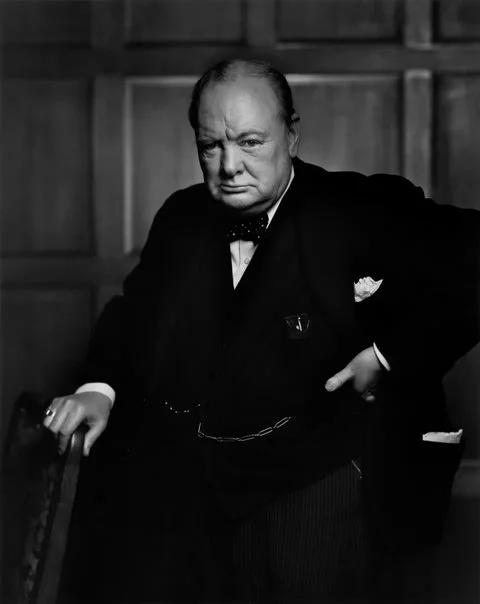
© The Estate of Yousuf Karsh
Richard Avedon
Avedon became known for his minimalist portrait style. He often photographed subjects against simple white backgrounds so viewers could focus entirely on the person.
His portraits revealed subtle emotion and human vulnerability.
Dorothea Lange
Lange used black and white photography to document people during the Great Depression. Her portrait Migrant Mother remains one of the most emotional and powerful portraits ever taken.
Her work shows how photography can capture both character and history.
Conclusion
Black and white photography allows viewers to see beyond color and connect with the deeper story within an image. When captured thoughtfully, even a simple portrait can show personality, mood, and a deeper sense of who the subject is.
As you spend more time practicing, you’ll begin to notice the small details that give each portrait its own unique character.
Which of these techniques do you enjoy using most when creating black and white portraits? Feel free to share your experience in the comments below.