
9 Photography Composition Rules Every Photographer Should Know
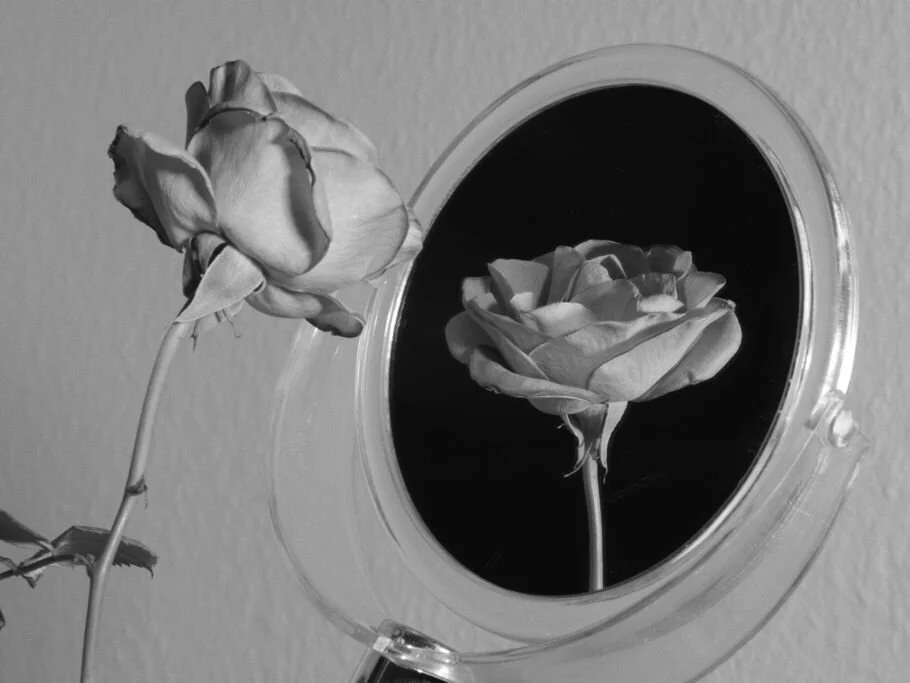
Great photography is about more than having the right camera or lens. A compelling image depends on how the photographer arranges the elements within the frame. Strong photographic composition helps guide the viewer’s eye, create visual interest, and turn ordinary scenes into striking images.
While creativity always matters more than strict formulas, understanding photography composition rules gives photographers a reliable foundation. These compositional guidelines can help you create visually appealing images with more balance and a clearer focal point.
Here are some of the most important composition techniques every photographer should know.
1. Rule of Thirds
The rule of thirds is one of the most widely used photography composition rules because it creates balance without making an image feel static.
Imagine dividing the entire frame into nine equal sections using two horizontal lines and two vertical lines. The points where those grid lines intersect naturally attract the viewer’s attention. Placing the main subject along these lines or at the intersection points often creates a more visually interesting image than placing it directly in the center.
This approach works especially well in landscape photography and when shooting portraits. Positioning a person slightly off-center can create a more dynamic image while leaving room for background elements that add context to the story.
For example, placing the horizon along the top third instead of directly in the middle creates stronger balance elements and prevents the image from feeling flat.
That said, compositional rules are not meant to limit creativity. Sometimes, central composition creates the perfect composition for a particular scene, especially when symmetry or geometric shapes are involved.
2. Leading Lines
One of the most effective compositional techniques in photography is the use of leading lines. The viewer's attention is automatically drawn to the main subject or focal point by these lines.
Roads, fences, bridges, rivers, and tree branches can all act as strong lines within a composition. Straight lines create order and structure, while a diagonal line often creates more energy and movement.
In some cases, two lines may converge into a single vanishing point, adding depth and perspective to the image. This technique is especially effective with a wide-angle lens in architectural photography or street photography.
Lines intersecting within the frame can also create dynamic tension that makes the image feel more engaging. A good example is photographing train tracks disappearing into the distance or using repeating horizontal lines in a modern building.
Because human beings naturally follow lines with their eyes, this composition technique is highly effective for directing visual attention exactly where you want it.
3. Negative Space
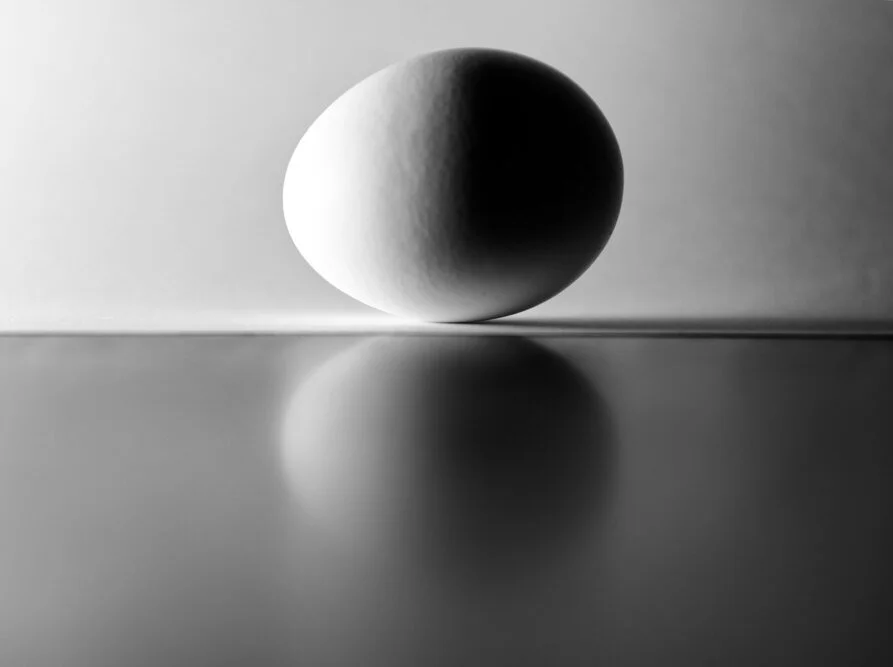
Negative space refers to the empty space surrounding the main elements in a photograph. Many beginner photographers feel the need to fill the entire frame, but allowing room around the subject can create more visual impact.
A large area of empty space can make the main subject stand out more clearly and create a sense of simplicity or isolation. This technique works especially well when there is stark contrast between the subject and the background.
Negative space is often used in minimalist photography, but it also plays a major role in visual storytelling. A small figure surrounded by an empty landscape can communicate emotion, scale, or solitude in a way that frame-filling cannot.
This compositional tool also helps the viewer focus on the obvious subject without distractions from other objects in the scene.
4. Balance and Visual Weight
Each component of a picture has visual weight. Attention is naturally drawn to bright colors, big objects, fine details, and high contrast areas.
A strong composition balances these elements so that the image feels intentional rather than chaotic.
For example, a large subject on one side of the frame can often be balanced by two elements or three elements on the opposite side. Similarly, darker areas with more detail may carry more visual weight than lighter areas with less texture.
Balance does not always mean symmetry. In fact, asymmetrical compositions often create more visual interest and a more dynamic shot.
Photographers should pay attention to how other elements in the frame interact with the main subject. Background elements, foreground objects, and even small details can affect the overall balance of the image.
5. Framing Your Subject
Natural framing helps draw the viewer’s attention directly to the subject.
Doorways, windows, arches, tree branches, and shadows can all act as frames within the image. This creates depth and isolates the subject from distracting surroundings.
Framing is especially useful when photographing busy scenes because it simplifies the composition and creates a stronger focal point.
A foreground object can also help create layers within the image. Photographs become more visually appealing and immersive when depth is added.
This is a great illustration of how composition methods in photography can cooperate. Framing, leading lines, and negative space can all combine to create a stronger final image.
6. The Golden Ratio and Golden Triangles
The golden ratio is one of the oldest compositional guidelines in the visual arts. Similar to the rule of thirds, it helps photographers place subjects in a naturally pleasing arrangement.
The golden ratio uses a spiral pattern that guides the viewer’s eye through the image toward the focal point. Many photographers use this approach to create more fluid and organic compositions.
Golden triangles are another variation that works especially well when diagonal lines dominate the scene. Instead of dividing the frame into squares, this method uses triangles to organize the composition.
These techniques are less commonly used than the rule of thirds, but they can create highly dynamic images when applied thoughtfully.
7. Depth and Perspective
Creating depth is essential for making a two-dimensional image feel more realistic and engaging.
Adding foreground, middle ground, and backdrop components is one approach to accomplish this. Another is to isolate the subject from its surroundings by using a short depth of field.
A telephoto lens is often useful for compressing perspective and helping the subject pop from the background. A zoom lens also allows photographers to experiment with different angles and compositions without changing position.
Meanwhile, a wide-angle lens can exaggerate perspective and create more dramatic compositions.
Trying different angles is important because your first shot is not always the strongest one. Shooting from one corner, getting lower to the ground, or changing your perspective slightly can completely transform the image.
8. Simplicity and Visual Storytelling
The vast majority of memorable photographs succeed because they communicate something clearly.
Strong photography composition is about guiding the viewer through the image and supporting the story you want to tell.
Too many competing elements can distract from the primary subject. Simplifying the frame helps create an interesting image with a stronger emotional impact.
Color theory can also influence photographic composition. Warm colors often draw attention first, while cooler tones can create calm or distance. Understanding how color interacts with composition helps photographers create more visually interesting photographs.
At the same time, black and white photography removes color entirely, forcing viewers to focus on light, shape, texture, and geometric shapes instead.
9. Breaking the Rules
Learning photography composition rules is important, but knowing when to break them matters just as much.
Sometimes, placing the subject in the center creates a perfect example of balance and symmetry. Other forms of composition may intentionally create imbalance or tension for artistic effect.
The goal is not to follow every rule perfectly, but to understand why certain compositions work and how they influence the viewer’s experience.
The more photographers experiment with compositional tools, the more instinctive these decisions become.
Final Thoughts
Mastering photography composition takes practice, observation, and experimentation. The best photographers understand how to use compositional techniques intentionally rather than relying on luck.
Each choice you make during a photoshoot affects how viewers experience the image. Over time, these composition techniques become second nature and help transform ordinary moments into striking images with real emotional impact.
Which photography composition rule do you find yourself using most often, and which one would you like to experiment with more? Let me know in the comments below.